May 21, 2013
Shift happens………..
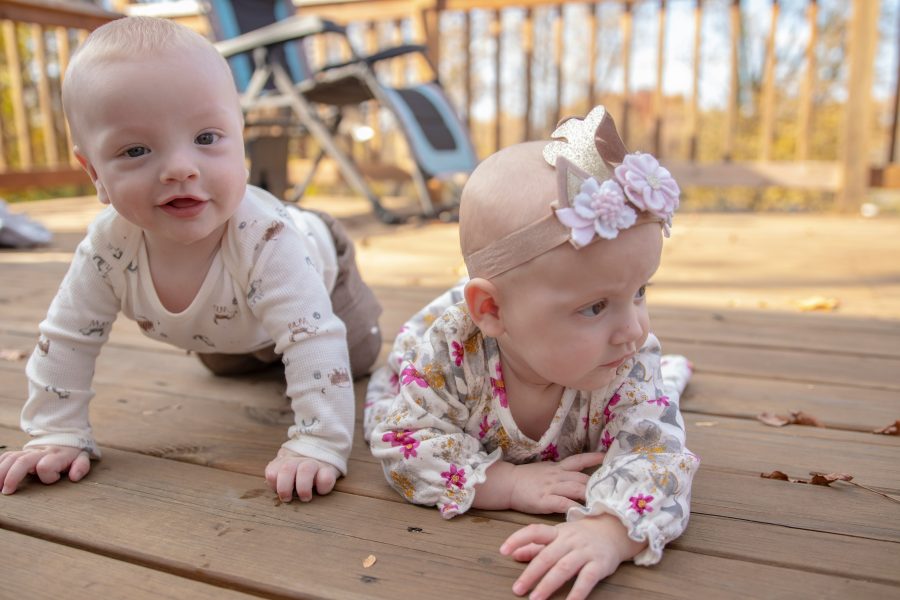
Therapists often talk about weight shift – where it happens and why it happens in the way that it does. One of the hallmarks of typical development is a child’s ability to begin to initiate weight shift from the pelvis in sitting at 10-12 months of age. Prior to this initiation of weight shift occurred through upper trunk movement. The significance of this change is not lost on us: if the upper trunk is initiating weight shift, then the arms are not free to participate in other functions during the movement. I see this most clearly when children with movement challenges shift their weight by flexing their trunk sideways during walking rather than shifting their weight at the pelvis. But how does this “shift” in the shift come about?
As usual, it has to do with central stability. We need to have a stable spine and pelvis in order to create a mature weight shift. Our four inner core muscles, the anticipatory core as we call it (for more information visit previous posts, here and here) create a developing central stability over the first years of life through their contributions to IAP (= intra-abdominal pressure). You will note that the first responders of the anticipatory core team are the respiratory diaphragm and the pelvic floor muscles. That’s right people, activation of the pelvic floor is an important component in development of babies’ postural control – who knew?
However, these anticipatory core muscles can’t go it alone, they need help from other muscles in the trunk: the reactive core. Almost as soon as movement begins, 2 sets of reactive core muscles start to work together. Tummy time begins to activate the Posterior Oblique Synergist and the Anterior Oblique Synergist ** (for more information visit here). As babies breathe deeper, rotate their body over their hips and begin to crawl on hands and knees, these activities promote the participation of the pelvic floor, which improves that crucial stability of the pelvis from the inside out. In addition, 2 more sets of reactive core synergists, the Lateral and Rotational Synergists**, ramp up their activity around the hip and stabilize the femur. Activation of the diaphragm and pelvic floor for central stability and subsequent recruitment of the synergists set the child up to be able to initiate weight shift from the pelvis rather than the upper trunk.
When our clients display lateral flexion for weight shift rather than initiation from the pelvis, this demonstrates the continued use of an earlier developmental pattern to compensate for inadequate anticipatory and reactive core activation and inside-out recruitment pattern. This use of lateral flexion prevents the development of mature balance and the independence of the upper extremities from the trunk.
PRACTICAL APP:
Watch babies as they learn to crawl. Do you see their bottom “waving” back and forth? This is a clue that they are not stabilizing their pelvis during movement.
Observe your clients carefully as they crawl or walk. Do they laterally flex to shift their weight instead of weight shifting at their pelvis and rotating their trunk? If they are laterally flexing, they lack adequate stability of the pelvis for weight shift.
**
Posterior Oblique Synergist (POS) = contralateral gluteus maximus and latissimus dorsi (Dianne Lee) Anterior Oblique Synergist (AOS) = contralateral abdominal obliques and hip adductors (Dianne Lee) Lateral Synergist = Gluteus medius/minimus and contralateral hip adductors (Dianne Lee) Rotational Synergist = Gluteus maximus, deep hip rotators (obturator internus), ipsilateral hip adductors and psoas (Julie Wiebe)
Additional reading:
Bizzi E, Cheung VCK. The neural origin of muscle synergies. Frontiers in computational neuroscience. 2013; 7: article 51.
This blog was written for PediaStaff, a great resource for therapists. You can find them at www.pediastaff.com.